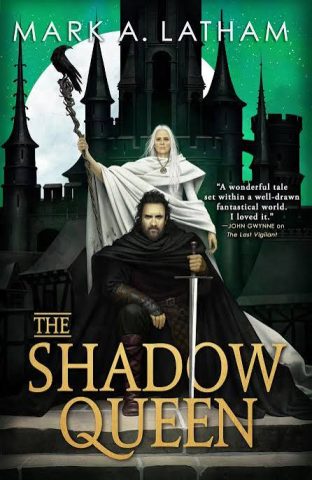
 Booklist: After the events of the first book in the Kingdom of Oak series (The Last Vigilant, 2025), Hawley, still serving the formidable Enelda Drake, has made a somewhat awkward home for himself in a bustling city where he soon finds himself shielding Enelda from too many visitors, who are eager to see the only living True Vigilant and request her help. Against Hawley’s advice, Enelda takes on a seemingly straightforward case brought to her by a young man who is desperate to prove that his grandfather is innocent of treason. At the same time, nobles are being mysteriously murdered across the city, and when the two dangers intersect, Enelda and Hawley find much more than they bargained for. Leaving behind the lore and magic of Majestics and Riftborn for political machinations, Latham’s second book is a deep dive into the motivations of those who think they run the world and the true objectives of those who know they do. With the same vibrant world building and skillful character development of The Last Vigilant, Latham takes readers on a whole new journey, sure to reach an explosive and satisfying conclusion with the proposed third novel of the trilogy.
Oct 142026
October 14, 2026

 For two days and three nights, Françoise de Montesquiou d’Artagnan has slept, trapped in a strange dream of a shifting world of spirits. Everyone in the dream is clad in the forms of animals, including Françoise herself, and they are discussing secret affairs of monsters and princes – until a host of vampires attacks them in the dream. A man with a beautiful voice faces them down, telling her to run.
 Congratulations to DMLA author Neil Sharpson as
  Kirkus: