 Booklist: At just about six months old (in a nineteen-year-old body), Nona lives a full life. She recounts her dreams to her protectors and works as a teacher’s aide at a local school. She’s been grudgingly accepted by a gang of streetwise kids and is trusted to watch a beloved teacher’s dog. At the edges of Nona’s life, glimpses of other truths occasionally slip through: there’s a giant blue sphere hanging in the sky, for one thing. Zombies are a problem. Occasionally Nona and her family are kidnapped by a clandestine local cell and interrogated about her true identity, but she manages to find the best in even those situations. In this ancillary volume set between Harrow the Ninth (2020) and the forthcoming Alecto the Ninth, Muir takes the time to explore unfolding calamity through the eyes of a true innocent. The book is set over the course of five days in the prelude to an apocalyptic event, with chapters interspersed where the reader learns how the death and resurrection of the people of Earth came to pass. Muir fans will be even more eager for the imperial scope of Alecto once they’ve finished Nona’s quiet character study.
Sep 162022
September 16, 2022
 Library Journal: The latest from Marino (The Seven Visitations of Sydney Burgess) is a lesson about how art can open doors that probably shouldn’t be opened. The story focuses on the Lark siblings, both eccentric artists. Peter Larkin (Lark to his friends) is a famous artist, a hometown boy who made good yet decided to stay in the community where he grew up, idyllic Wofford Falls. His sister Betsy is also talented, but her paintings can have disconcerting effects on people and on reality itself. This makes her integral to the plans of a pair of one-percenter siblings who want the Larkins to help them create works of art that might just destroy the world. Marino demonstrates his skill as a storyteller, creating empathetic, fleshed-out characters who must fight through the madness that is bearing down on them—but note that this novel isn’t Stephen King–style, slice-of-Americana, triumph-of-the-human-spirit horror.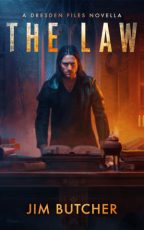

 Library Journal: Auditors, the most skilled magical beings, are enforcers of the magical community in Boston for The Department of Unorthodox Affairs. Grimshaw Griswald Grimsby spent his youth training to become one of those elite, only to be dismissed by Samantha Mansgraf, one of the most powerful witches in the Department. When Mansgraf is found murdered, Grimsby becomes a suspect. Clearing his name will take all of Grimsby’s talent, along with some assistance from the legendary Huntsman and an unusual resident of Elsewhere, the magical space that overlays the regular world. As Grimsby searches for the truth, he will discover a complex plot that would not only take away his freedom, but impact both the supernatural Unorthodox and common Usual residents of his city. Butcher’s outcast protagonist and city setting ground the prose even as the mysterious Elsewhere introduces even more unusual action and questions for the future.